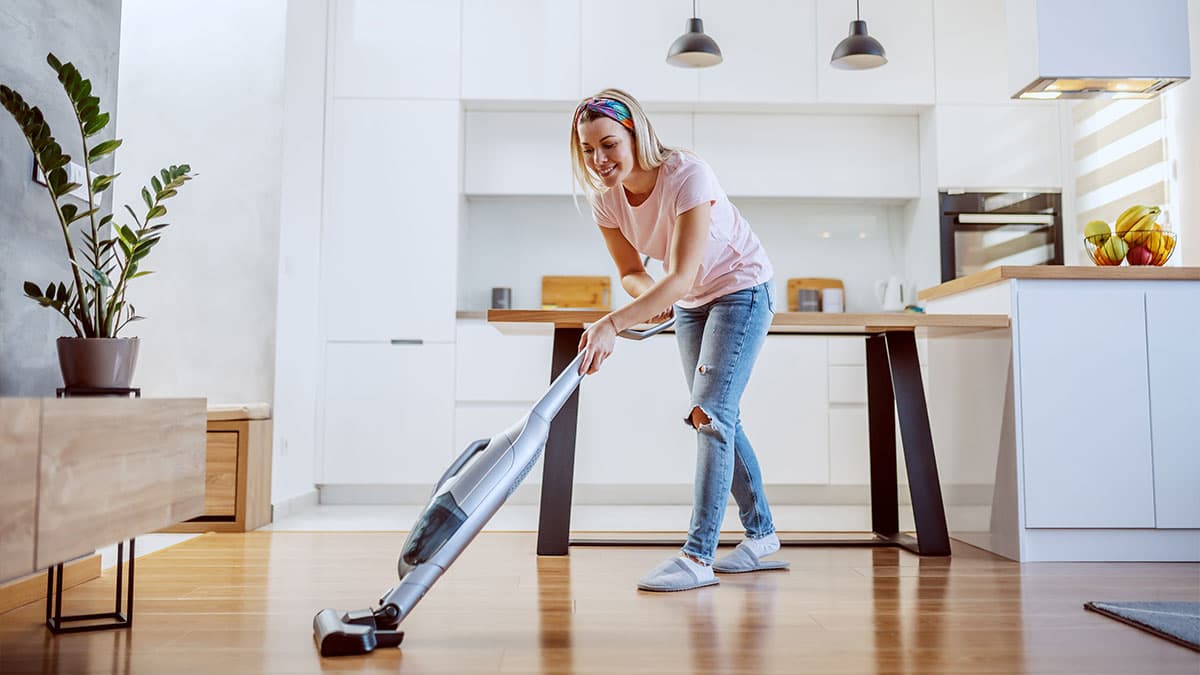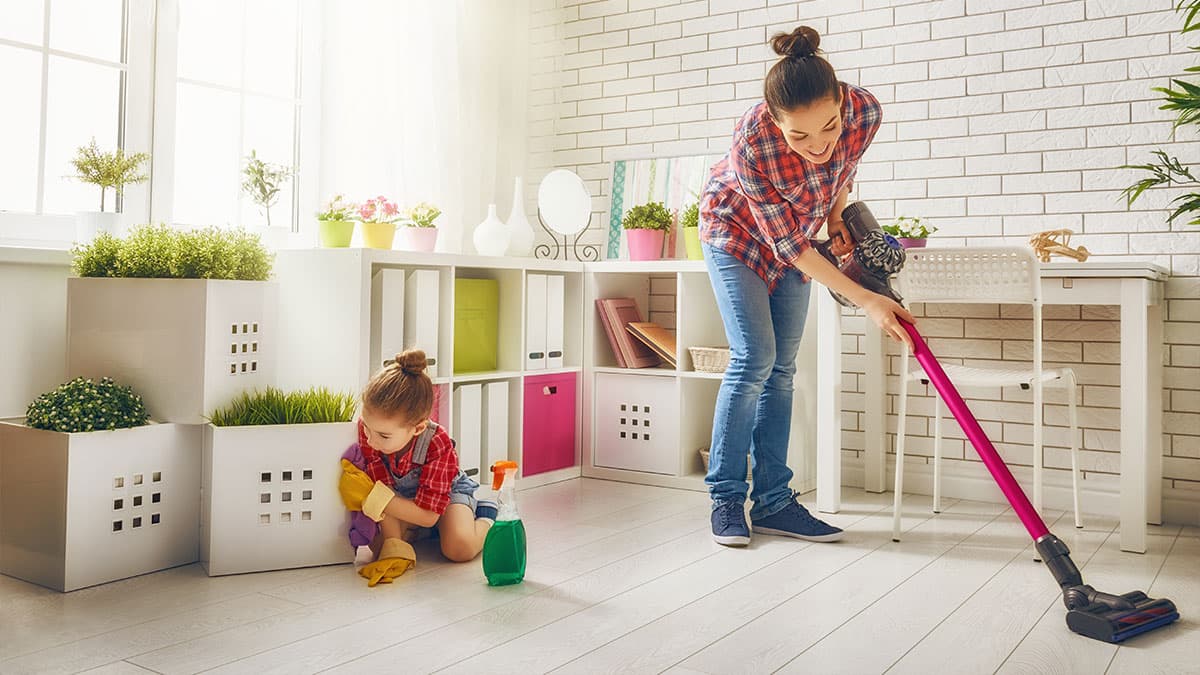
Fall cleaning is easiest when it prepares the home for the way it will be used during the wetter months. Start with entryways and floors, then work through kitchen buildup, bathrooms, dust-catching surfaces, and the areas that are harder to maintain during busy weeks. A focused seasonal reset now can prevent mud, pet hair, and everyday grime from spreading through the house later.
For Woodinville homeowners, the shift into fall often means wet shoes, leaf debris, damp coats, and more time spent indoors. This fall house cleaning checklist is organized around those practical changes. It will help you clean in the right order, choose the rooms that need the most attention, and create a simple routine that lasts beyond one weekend.
Quick Answer for Fall Cleaning
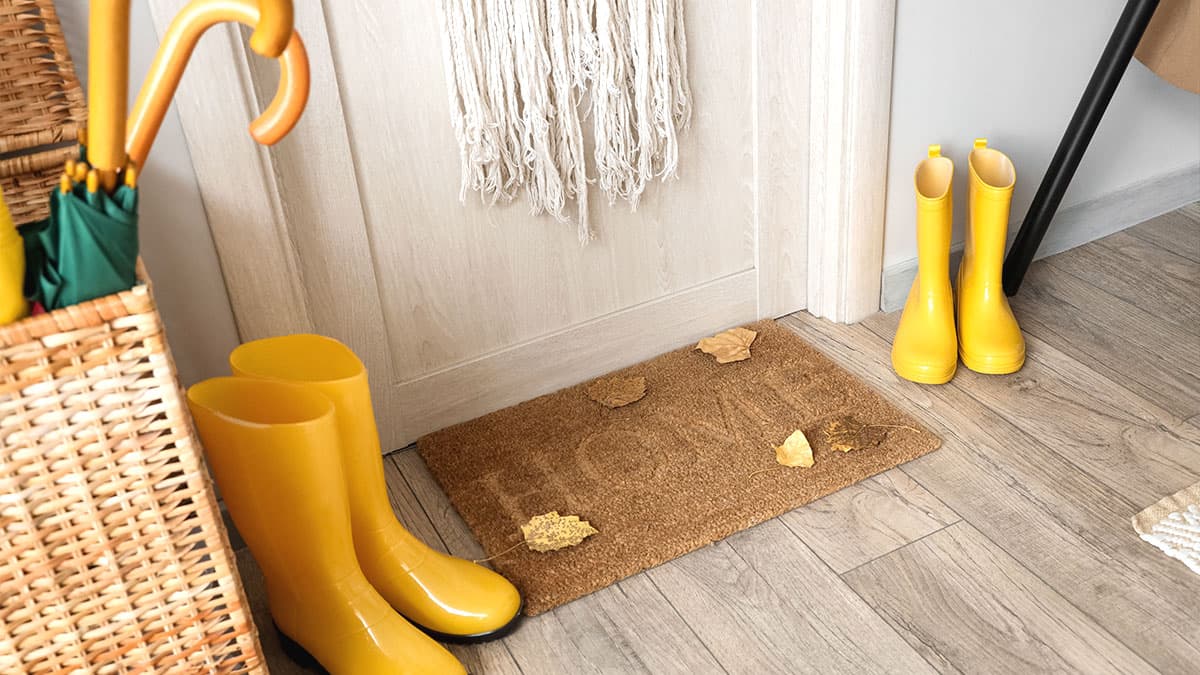
Before the rainy season settles in, focus first on the places that collect or spread dirt: the main entrance, high-traffic floors, kitchen work areas, bathrooms, upholstered furniture, baseboards, and dust-prone surfaces. Work from high to low, remove dry debris before using wet products, and finish with floors. Once the deeper reset is complete, protect the result with a short weekly routine for mats, entryways, kitchens, bathrooms, and the busiest walking paths.
If time is limited, complete these priorities first:
- Clean and dry the main entry, doormats, shoe storage, and nearby floor edges.
- Dust high surfaces, vents, light fixtures, shelves, and window sills before cleaning lower areas.
- Remove kitchen grease, crumbs, and residue from counters, cabinet fronts, handles, and appliance exteriors.
- Clean bathroom fixtures, shower tracks, grout lines, exhaust-fan covers, and floor edges.
- Vacuum carpets, rugs, upholstery, baseboards, and the spaces beneath movable furniture.
- Mop hard floors with a product and moisture level appropriate for the surface.
Why Fall Changes the Cleaning Routine in Woodinville
During dry weather, dust and outdoor debris are often the main floor problem. Once rain becomes more frequent, the entryway starts doing more work. Shoes, pet paws, umbrellas, jackets, and bags can carry water and grit inside. If that debris is not stopped near the door, it moves into hallways, kitchens, and living areas, where it becomes harder to remove.
Fall also changes how the home feels. Closed windows and longer indoor routines can make dust, cooking residue, pet hair, and bathroom moisture more noticeable. Cleaning cannot correct a leak or building problem, but it can make damp mats, dusty vents, dirty tracks, and recurring condensation easier to spot. The EPA guide to mold, moisture, and the home emphasizes that moisture control is the key to preventing indoor mold growth. If a surface repeatedly becomes wet, address the moisture source instead of treating it as a cleaning issue alone.
Room by Room Fall Cleaning Checklist
Plan the work by room rather than moving randomly from task to task. Finish one zone as fully as practical, but keep the overall order high to low and dry to wet. This reduces rework and keeps dust from settling onto surfaces you already cleaned.
Entryway and Mudroom
- Take mats outside, shake or vacuum them, and wash them only if the care label allows it.
- Vacuum thresholds, corners, baseboards, heating registers, and the floor beneath shoe storage.
- Wipe the inside of the exterior door, the frame, knobs, handles, switches, and nearby wall marks.
- Clean and dry shoe trays, umbrella stands, baskets, hooks, and benches before returning items.
- Remove out-of-season shoes and coats so wet items have enough space to dry.
Set up a simple landing zone before the rain becomes routine. A sturdy exterior mat, an absorbent interior mat, a washable pet towel, and a tray for wet shoes can contain much of the mess before it reaches the rest of the home.
Kitchen
- Clear and wipe counters, backsplashes, the sink, and faucet base.
- Degrease cabinet fronts, drawer pulls, appliance handles, and the exterior of the range hood.
- Vacuum crumbs along toe-kicks, beside movable appliances, and beneath small countertop appliances.
- Wipe the refrigerator top and front, dishwasher exterior, microwave interior and exterior, and stove surfaces.
- Check the pantry for spills, open packages, and expired items, then wipe accessible shelves.
- Clean the trash and recycling area, including the floor and nearby wall or cabinet surfaces.
Do not squeeze every appliance project into the same day. The inside of the oven and refrigerator take extra time and may be treated as separate tasks. Always follow the appliance and surface-care instructions, especially around stone, stainless steel, wood, and electronic controls.
Bathrooms
- Clean mirrors, vanity tops, sinks, faucets, toilets, tubs, and showers.
- Pay extra attention to faucet bases, toilet bases, shower-door tracks, grout lines, and cabinet fronts.
- Dust or vacuum the exhaust-fan cover with the fan turned off, following the manufacturer’s instructions.
- Wash bath mats and shower curtains according to their care labels, and allow them to dry completely.
- Check caulk, plumbing connections, and the vanity interior for moisture, staining, or active leaks.
If mold keeps returning, grout stays wet, or a leak is visible, cleaning is not the full solution. Correct the moisture problem and use qualified help when the affected area or material is beyond normal household cleaning.
Living Areas and Bedrooms
- Dust ceiling fans, light fixtures, door frames, shelves, lamps, blinds, and window sills.
- Vacuum upholstery, under removable cushions, along mattress edges, and beneath furniture that can be moved safely.
- Wash throws, removable pillow covers, bedding, and washable curtains according to their labels.
- Wipe tables, furniture, switches, handles, remotes, and other frequently touched items.
- Remove unused items from visible surfaces so weekly dusting remains manageable.
For a useful list of easy-to-miss areas, see What Homeowners in Kent Often Miss During Deep Cleaning. The same top-to-bottom method works well for a Woodinville seasonal reset.
Floors Baseboards and Edges
- Vacuum or sweep loose soil before mopping so grit does not become muddy residue.
- Use crevice tools along baseboards, thresholds, stairs, room edges, and furniture legs.
- Vacuum rugs and carpets slowly enough to collect embedded debris, then empty or clean the vacuum as directed.
- Use a floor cleaner approved for the surface and avoid leaving excess water on wood or laminate.
- Allow hard floors and washable mats to dry before restoring normal foot traffic.
A Practical Order for the Fall Reset
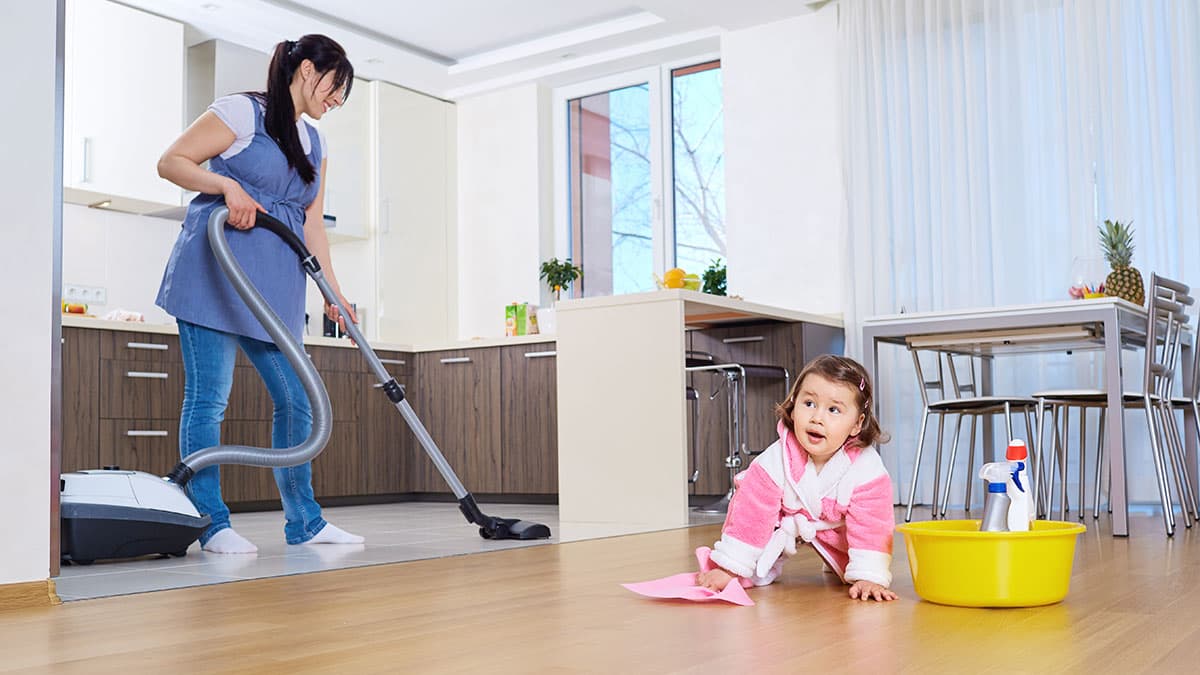
A good checklist is more useful when it also shows what comes first. Use this sequence to reduce backtracking:
- Prepare supplies. Gather microfiber cloths, vacuum attachments, a mop, gloves, trash bags, and products approved for the surfaces in your home.
- Declutter the work area. Return items to their proper place and remove anything that blocks floors, counters, or furniture edges.
- Start high. Dust fixtures, fan blades, door frames, shelves, blinds, and vents before lower surfaces.
- Remove dry debris. Vacuum dust, hair, crumbs, and grit before applying sprays, water, or floor cleaner.
- Complete kitchens and bathrooms. Give buildup-prone rooms enough time instead of leaving them for the end.
- Finish with floors. Work toward the exit so cleaned floors can dry without being crossed repeatedly.
- Set the maintenance routine. Decide which short tasks will keep the entryway, kitchen, bathrooms, and main floors under control each week.
Entryway and Floor Plan for Rainy Weather
The best rainy-season cleaning plan stops debris before it spreads. Use one mat outside to remove loose grit and a second absorbent mat inside for moisture. Keep shoes on a washable tray, and place a towel near the door if pets regularly enter through the same area. Hang damp coats and umbrellas where air can circulate and water cannot damage the floor.
During wet weeks, shake out or vacuum mats before they become saturated with dirt. Spot-clean the entry floor as needed, then include the full hallway or main walking path in the regular floor routine. Wipe moisture promptly to reduce slip hazards and protect the flooring. If the entry stays damp despite normal drying, check for leaks, poor drainage, or another source that cleaning alone will not fix.
Weekly Tasks After the Deeper Reset
The seasonal clean does the detailed work. A short weekly routine keeps the house from returning to catch-up mode:
- Vacuum entry mats, thresholds, and the busiest floor paths.
- Wipe kitchen counters, the sink, appliance handles, and visible cabinet marks.
- Clean bathroom sinks, mirrors, toilets, and the most-used shower surfaces.
- Dust the surfaces that collect visible buildup, including sills, tables, and media areas.
- Remove pet hair from upholstery and the rooms where pets spend the most time.
- Check damp items and areas for adequate drying before putting them away.
Not every room needs the same attention every week. Give the most time to the entrance, kitchen, bathrooms, and main living areas, then rotate less urgent spaces. A smaller routine that gets repeated is more effective than a long list that gets postponed.
Cleaning Products and Safe Use
Choose products according to the surface and the label, not by scent or strength. The CDC household cleaning guidance explains that routine cleaning is generally enough in most homes and that disinfection is more relevant when someone is sick or at higher risk. Clean visible dirt first, provide ventilation when the label calls for it, wear recommended protection, and never mix cleaning or disinfecting products.
Test unfamiliar products in an inconspicuous area. Apply liquid to a cloth rather than spraying directly into switches, appliance controls, seams, or electronics. Natural stone, finished wood, specialty flooring, and coated fixtures may require specific products or methods, so check the manufacturer’s instructions before cleaning.
When Professional Deep Cleaning Can Save Time
A DIY fall reset is practical when buildup is light, the home is manageable, and the work can be divided over several sessions. Professional help makes more sense when multiple floors or bathrooms need detailed cleaning, pet hair and tracked-in soil have accumulated, hard-to-reach areas have been postponed, or the entire home must be ready before guests or the holidays.
Experts European Cleaning provides professional deep cleaning and recurring house cleaning for Woodinville and nearby King County communities. Every plan is tailored to the home’s size, condition, surfaces, and requested tasks, so confirm the scope and any extras before the visit.
Frequently Asked Questions
What should be included in a fall house cleaning checklist
When should I start fall cleaning in Woodinville
How can I keep mud and debris out of the house during rainy weather
Which rooms need the most attention before fall and winter
When does a professional deep clean make sense
Get Your Woodinville Home Ready for Fall
A fall reset should make the home easier to maintain, not create another exhausting routine. Focus on the areas that collect rain, grit, grease, moisture, dust, and pet hair, then protect the result with a few repeatable weekly tasks.
Want help getting your Woodinville home ready for fall? Explore professional deep cleaning from Experts European Cleaning or request a personalized estimate. You can also browse more practical routines in the Cleaning Tips and Checklists blog.