A home can look clean at first glance and still feel dusty, dull, or unfinished. The usual reason is not lack of effort. It is that deep cleaning requires a different approach from routine upkeep. Everyday cleaning focuses on the surfaces used most often. Deep cleaning reaches the edges, undersides, fixtures, buildup-prone areas, and out-of-sight surfaces that quietly affect how the whole home feels.
For homeowners in Kent, those blind spots may include baseboards near busy entryways, dust on vents and fan blades, grease above eye level in the kitchen, residue around bathroom fixtures, and debris hidden behind furniture or appliances. This guide explains the deep cleaning mistakes Kent WA homeowners commonly make, how to check their work, and when professional help is the more practical option.
Quick answer: what deep cleaning usually misses
Most DIY deep cleans miss areas that are above eye level, below furniture, behind movable items, or close to walls and fixtures. The most common examples are:
- Ceiling fan blades, light fixtures, vent covers, and the tops of door frames
- Baseboards, floor edges, corners, stair edges, and the space behind furniture
- Cabinet tops, appliance sides, range-hood filters, and backsplash edges
- The toilet base, shower-door tracks, grout lines, exhaust fans, and cabinet fronts
- Window tracks, blinds, sills, door panels, switches, handles, and railings
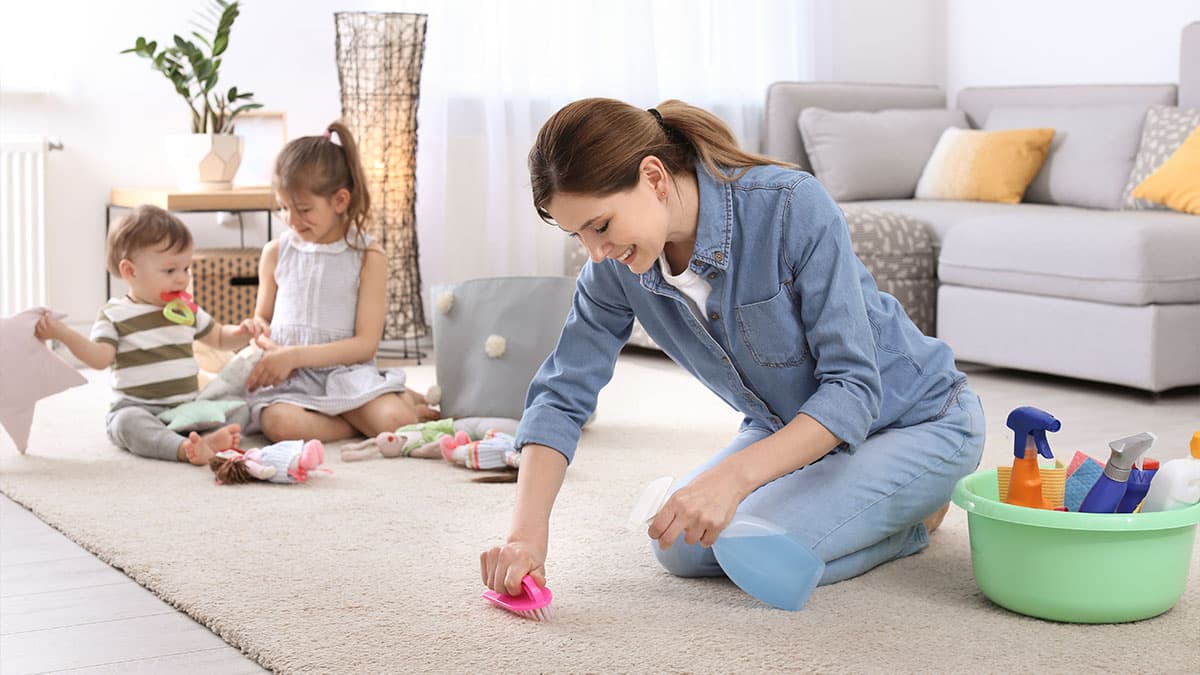
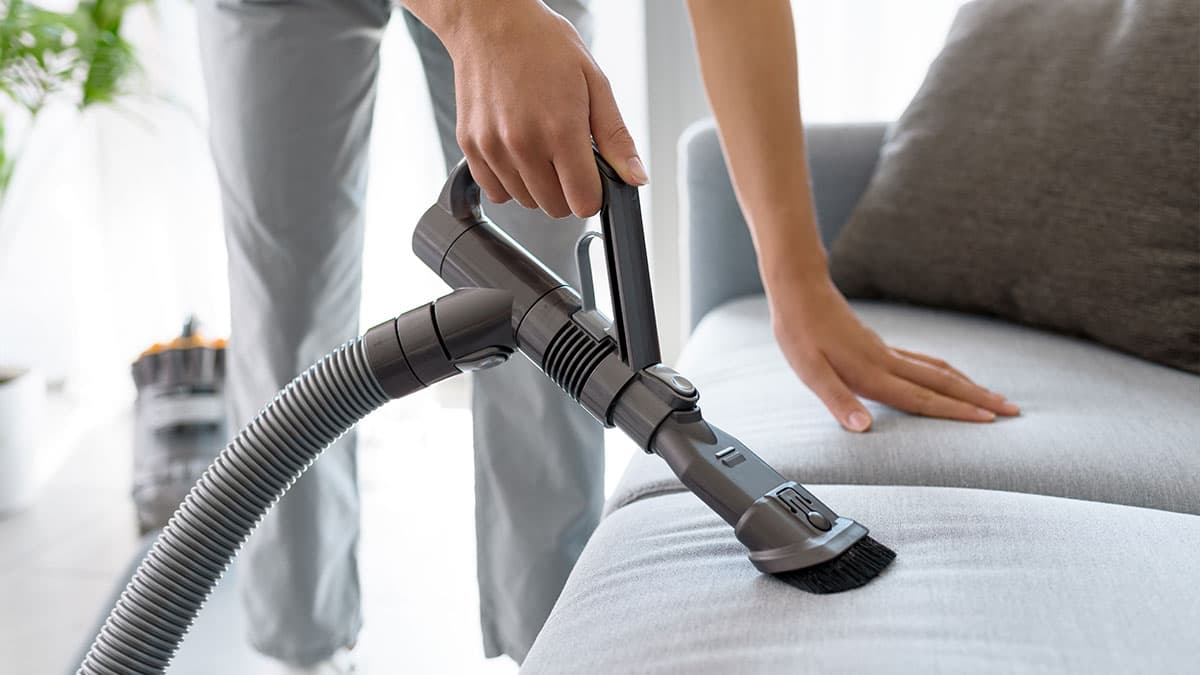
- Upholstery seams, under cushions, mattress edges, and washable soft furnishings
The American Cleaning Institute’s room-by-room cleaning guide separates routine tasks from deeper work such as cleaning inside cabinets, degreasing hood filters, washing blinds, cleaning baseboards, moving furniture, scrubbing grout, and cleaning bathroom ventilation fans. That distinction is a useful starting point for any deep cleaning checklist in Kent, WA.
Hidden and overlooked areas in most homes
1. High surfaces that send dust back down
One of the most common deep cleaning mistakes is starting with countertops and floors. Dust on fan blades, light fixtures, door frames, shelves, and vent covers can fall onto lower surfaces after they have already been cleaned. Work from top to bottom instead. Dust or vacuum high surfaces first, then clean furniture and counters, and finish with floors.
Use care around electrical fixtures and HVAC components. Turn fans off before cleaning, follow equipment instructions, and avoid pushing dust into vents. A removable vent cover may be vacuumed or wiped when appropriate, but internal duct cleaning is a separate service and should not be treated as a normal DIY deep-cleaning task.
2. Baseboards, edges, and the space behind furniture
Open floor areas get regular attention because they are easy to reach. Dust and hair collect where the vacuum head or mop rarely goes: along baseboards, under beds, behind sofas, beside nightstands, under radiators, and around furniture legs. These narrow zones can make a freshly cleaned room still look unfinished, especially when sunlight catches the edges.
Vacuum loose debris before wiping baseboards so dust does not turn into streaks. Move only furniture that can be handled safely, and use an extension tool for heavier pieces. Check the manufacturer’s care instructions before using moisture on painted wood, natural stone, or specialty flooring.
3. Kitchen grease outside the obvious work zone
Counters, sinks, and appliance fronts are important, but they are not the whole kitchen. Grease and dust settle on cabinet tops, upper trim, backsplash corners, range-hood surfaces, filters, cabinet handles, and the sides of appliances. Crumbs also collect beside the refrigerator, beneath small appliances, and along the toe-kick under lower cabinets.
Clean one section at a time and match the product to the surface. Avoid spraying cleaner directly into controls, seams, or electrical components. Oven interiors, refrigerator interiors, and range-hood filters may require extra time and should be planned as separate tasks rather than squeezed into the end of a general clean.
4. Bathroom buildup around fixtures and tracks
Bathrooms often look finished after the mirror, sink, toilet bowl, shower, and floor are cleaned. The missed buildup is usually around those main surfaces: behind the toilet, around the toilet base, beneath the vanity lip, on cabinet fronts, in shower-door tracks, around faucet bases, and along grout or caulk lines.
The exhaust-fan cover is another frequent blind spot. Dust can collect on the grille and reduce the clean appearance of the room. Turn the fan off and follow the manufacturer’s instructions before removing or cleaning a cover. If you find damaged caulk, an active leak, or recurring mold growth, address the moisture source rather than repeatedly cleaning over the symptom.
5. Doors, switches, handles, and other small touchpoints
Door panels, frames, light switches, stair railings, cabinet pulls, appliance handles, and remote controls are touched constantly but may be skipped because no single item looks especially dirty. Together, however, fingerprints and residue make a room feel less polished. Clean these surfaces with a product appropriate for the material, applying it to a cloth when necessary to keep moisture away from switches and electronics.
6. Window details and soft surfaces
Cleaning the glass does not remove dust from blinds, sills, frames, and tracks. Vacuum loose material first, then wipe accessible surfaces. Curtains, washable rugs, throw covers, upholstered furniture, and bedding can also hold dust and odors even when hard surfaces look clean. Follow care labels, and include enough drying time before putting washable items back in place.
Why a home can still feel dusty after cleaning
A home may still feel dusty because dust was redistributed instead of removed. Dry dusting can send fine particles back into the air. Sweeping after wiping surfaces can do the same. Starting low and finishing high allows debris to settle again on counters, furniture, and floors.
The EPA’s guidance on indoor particulate matter recommends frequent cleaning, dusting with a damp cloth, vacuuming carpets and furniture, considering a HEPA-filter vacuum, and changing HVAC filters according to the manufacturer’s directions. A damp cloth helps keep settled dust from immediately returning to the air.
Other reasons a home may still feel dusty include a full vacuum canister, a clogged vacuum filter, neglected upholstery, open shelving packed with small objects, dirty HVAC return grilles, or a filter that is overdue for replacement. Cleaning cannot correct every indoor-air issue, but a top-to-bottom method and proper equipment maintenance reduce the amount of dust left behind.
A practical deep cleaning self-check
Before declaring the job finished, stand at the entrance to each room and scan in three directions: up, across, and down. Then use this quick self-check.
- Look up: Are fan blades, fixtures, cabinet tops, vents, and door frames free of visible dust?
- Look across: Are doors, switches, handles, shelves, furniture surfaces, blinds, and window sills clean?
- Look down: Are baseboards, corners, floor edges, stair edges, and areas under movable furniture finished?
- Check the kitchen: Were the backsplash edges, cabinet fronts, hood area, appliance sides, and toe-kicks addressed?
- Check the bathrooms: Were the toilet base, vanity edges, shower tracks, grout lines, fan cover, and floor corners cleaned?
- Check soft surfaces: Were rugs, upholstery seams, cushions, bedding, and washable textiles included where needed?
- Check the tools: Is the vacuum filter clean, the canister emptied, and each cloth replaced before it spreads grime to another room?
Do not try to complete every deep-cleaning task in one exhausted session. Divide the home into zones, give buildup-prone tasks their own time block, and stop before fatigue leads to damaged surfaces or unsafe lifting.
A Kent-focused approach to deep cleaning
Kent households range from compact apartments and townhomes to larger family homes, but the same pattern appears across different layouts: busy entryways spread dirt inward, kitchens and bathrooms develop buildup faster than low-use rooms, and edges are missed when the available time goes to open surfaces.
A practical Kent deep cleaning plan starts at the main entrance and the most-used rooms. Finish the kitchen and bathrooms in full, then move through bedrooms and living areas from top to bottom. During drier periods, pay extra attention to dust on screens, sills, blinds, and entry floors. During wetter periods, give mats, thresholds, baseboards, and hard-floor edges more frequent attention. The goal is not to attach a rigid schedule to every home. It is to respond to how the household actually uses the space.
When professional deep cleaning is the better option
DIY deep cleaning works well when the home is manageable, the buildup is light, and there is enough time to work safely. Professional help becomes the better option when several conditions overlap: the home has not been deeply cleaned for a long time, multiple bathrooms or floors need attention, the job must be completed before guests or a move, or physical limitations make reaching, lifting, or extended scrubbing impractical.
A professional team can also separate essential work from optional extras and size the effort to the condition of the home. Experts European Cleaning provides professional deep cleaning services for Kent and nearby King County communities, with plans tailored to the home and the requested level of detail.
If you are preparing for visitors, the related deep cleaning checklist for homes before guests arrive offers a useful way to prioritize high-visibility rooms. You can also browse more practical routines and checklists in the Cleaning Tips & Checklists blog.
Standard cleaning vs. deep cleaning
Standard cleaning maintains the home at regular intervals. It usually focuses on dusting accessible surfaces, cleaning kitchens and bathrooms, vacuuming carpets, washing hard floors, emptying trash, and keeping visible areas comfortable.
Deep cleaning is more detailed and less frequent. It addresses accumulated grime and the surfaces that routine visits may not cover every time, such as baseboards, fixtures, vents, cabinet fronts, appliance edges, shower tracks, floor corners, and areas behind movable furniture. Exact tasks should always be confirmed in advance because home size, condition, surface materials, and service scope vary.
It is also useful to distinguish cleaning from disinfecting. The CDC’s household cleaning guidance explains that cleaning with soap or detergent removes dirt and most germs from surfaces, and that surfaces should be cleaned before sanitizing or disinfecting. In most homes, routine cleaning is sufficient unless someone is sick or another specific reason for disinfection applies.
Frequently asked questions
What areas do homeowners forget during deep cleaning?
Why does a home still feel dusty after cleaning?
How often should overlooked areas be cleaned?
When should professional deep cleaning be scheduled?
What is the difference between standard cleaning and deep cleaning?
Not sure what your Kent home needs?
A thorough deep clean should make the entire home feel finished, not simply improve the surfaces that are easiest to see. If the checklist keeps growing or the overlooked areas require more time than you have, experienced help can turn a long catch-up project into a clear, manageable plan.
Not sure what your home needs? Request an estimate for deep cleaning in Kent and nearby areas from Experts European Cleaning.